Charcoal vs Electric Roasting — Why the Slow Fire
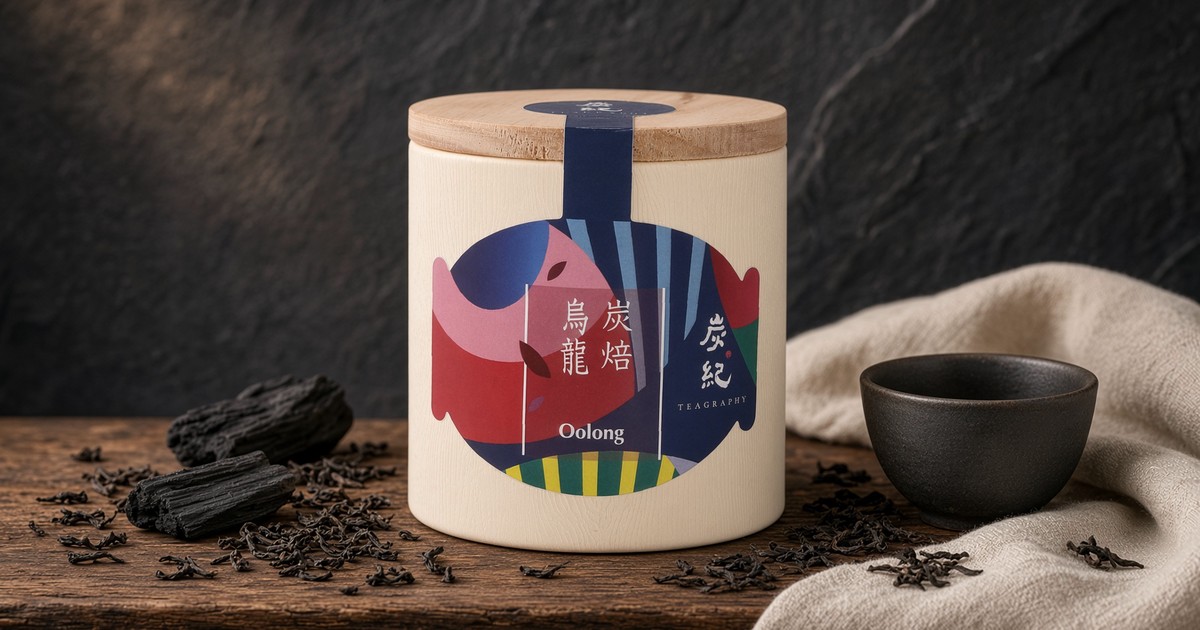
- Charcoal roasting finishes oolong slowly over burning charcoal; electric roasting relies on hot air across the leaf surface and is faster.
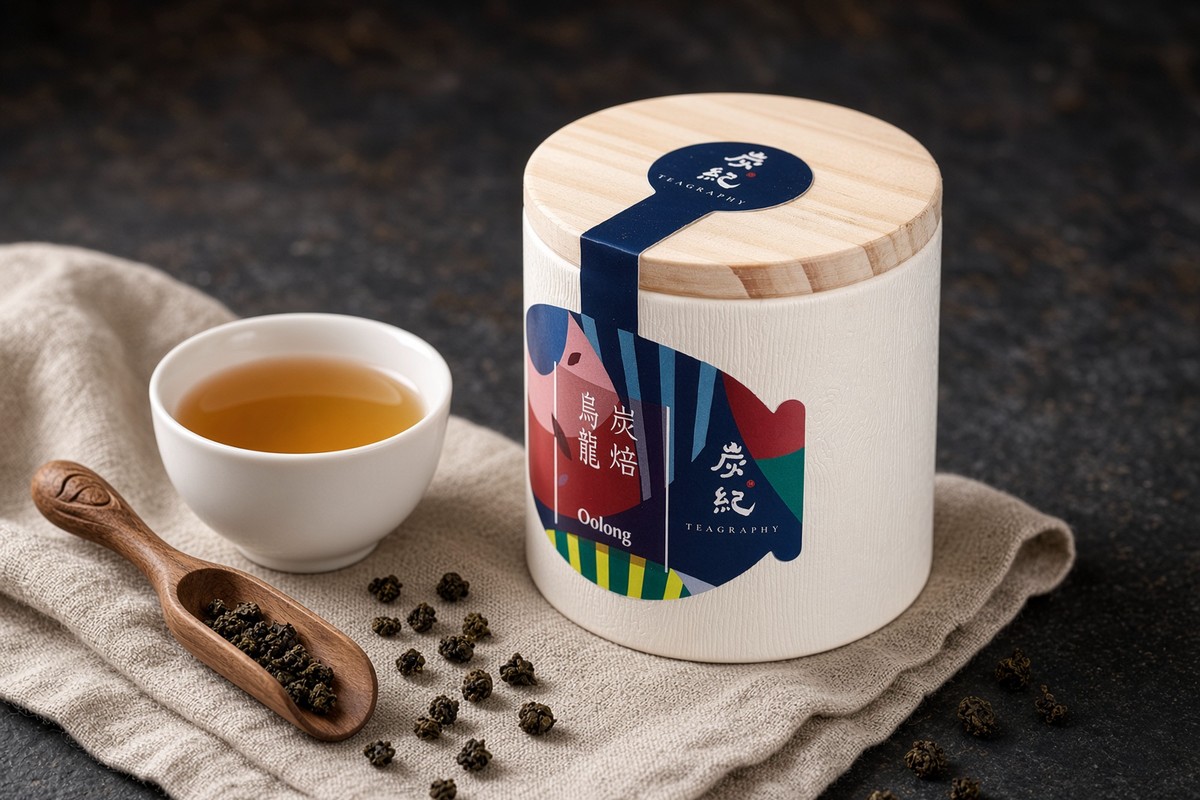
- Teagraphy hand-roasts over longan wood charcoal in Nantou so far-infrared heat reaches leaf and stem, clearing off-notes and drawing out natural sweetness.
- Official craft notes: a basket holds no more than about 6 kg and may need 3 to more than 10 hours of unbroken roasting with hourly turning.
- Charcoal-roasted liquor tends to look brighter and cleaner; flavour opens in layers after drinking, with longan-charcoal sweetness in the empty cup.
- Electric roasting can smell louder while brewing yet taste comparatively thin—speed trades away the deep, even finish charcoal is known for.
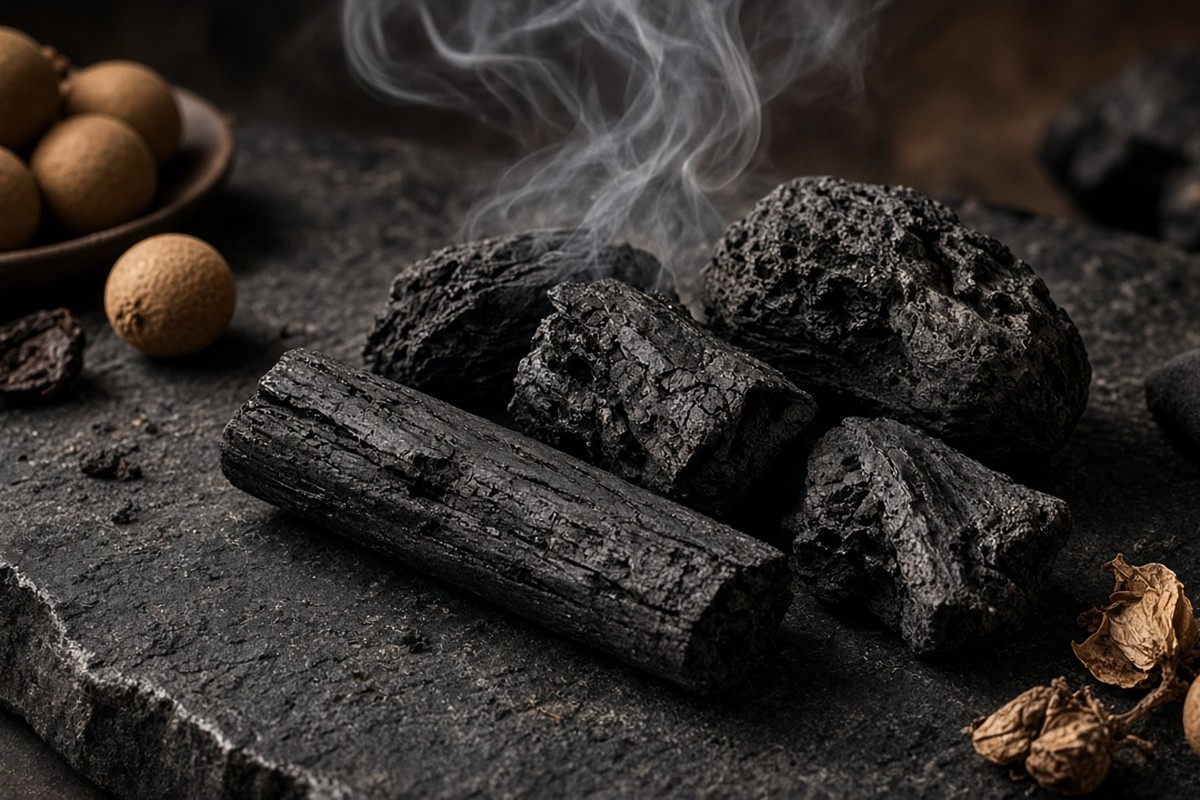
Charcoal roasting finishes Taiwanese oolong slowly over burning charcoal; electric roasting is faster and surface-led. That single choice—slow radiant fire versus quick hot air—shapes clarity, body, and the sweetness that returns after you swallow.
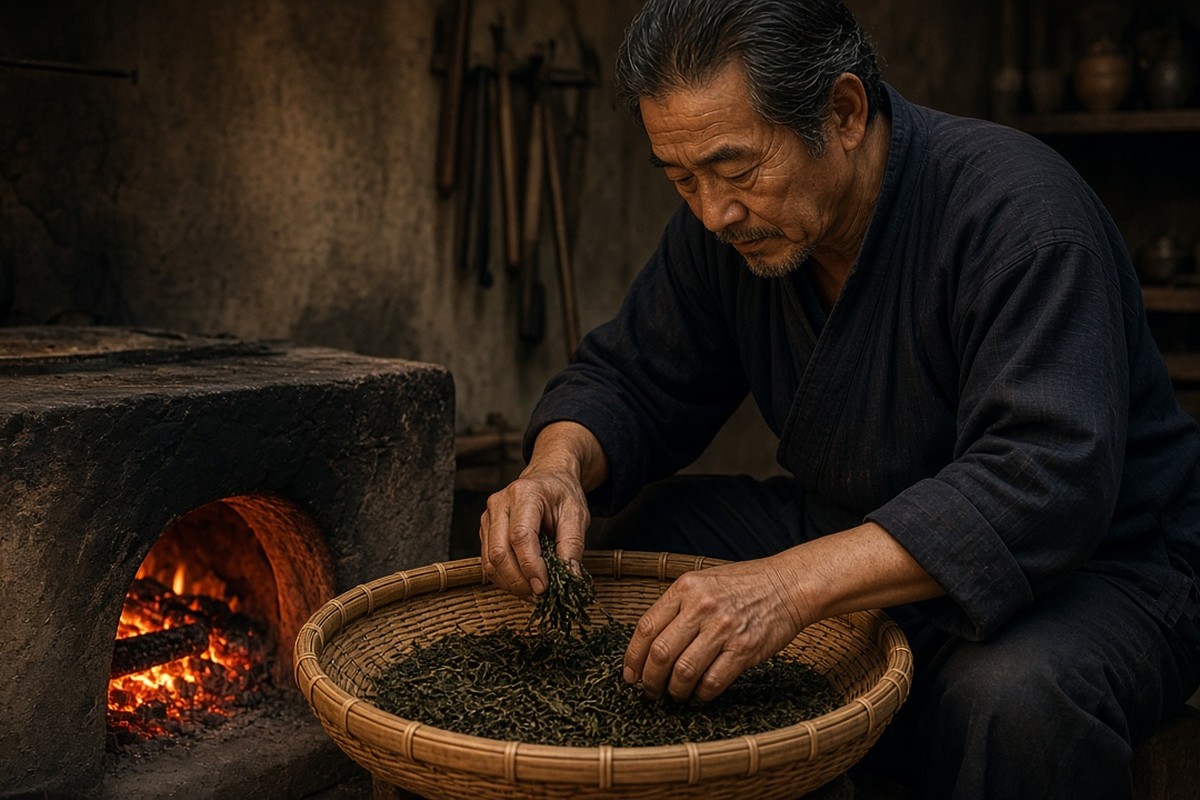
Two ways to finish the leafThe slow fire, step by step
On the official roasting craft page, charcoal roasting is described as an act of keeping watch:
- Preparing and lighting the charcoal — selecting longan charcoal of the right size and lighting it in the stove.
- Packing the charcoal — adding charcoal in batches and packing the bed so heat stays stable.
- Covering and levelling the ash — spreading ash evenly so there are no gaps and no open flame.
- Basketing the tea — keeping each basket modest (no more than about 6 kg / 10 catties) so quality stays even.
- The master’s watch — turning leaf at least once an hour; a basket may need from three to more than ten hours of unbroken roasting.
Get the heat wrong and tea can taste scorched. Get it right and you taste patience: even heat, cleared off-notes, and character that only slow radiant fire tends to give.
What electric roasting trades away
Teagraphy notes that electrically roasted tea can give off a more obvious aroma while brewing, yet taste comparatively thin in the mouth. Because hot air works from the outside in, it reaches the inner stem less easily, so some impurities may remain and the liquor can look less clear. Charcoal’s penetrating radiant heat is the reason Teagraphy still chooses the long way—batch after batch—in Nantou.
From workshop to cup
If you are comparing charcoal roasted tea with everyday electric-finished oolong, start with Teagraphy’s Four Seasons range or a deeper winter-style roast, then read the full craft notes on the official site. Slow fire is not nostalgia for its own sake; it is how the brand keeps umami soft, bitterness tamed, and the finish long.
Explore Teagraphy’s charcoal-roasting craft · Shop charcoal-roasted Taiwanese oolong
h2>
Teagraphy’s English craft pages put it plainly: there are two common paths for roasting tea leaves—charcoal roasting and electric roasting. Electric methods move hot air across the leaf surface and can be efficient. Charcoal roasting is slower and labour-intensive. Burning charcoal produces far-infrared radiant heat that works through leaf and stem, driving moisture and impurities from the core and releasing the leaf’s natural sweetness.
Done well, the liquor looks brighter and cleaner. The spent leaf stays springy rather than brittle. In the cup, aroma may feel quieter at first, then open in layers after you drink—warm, lingering, with the sweet scent of longan charcoal in the empty teaware.
Why longan wood charcoal
Teagraphy commits to traditional longan wood charcoal. Longan charcoal is prized for a mellow, sweet fragrance. Combined with Taiwanese fermentation craft, it helps tame moisture, caffeine harshness, and bitter off-notes while drawing out gentle sweetness—a flavour profile electric speed alone rarely matches.